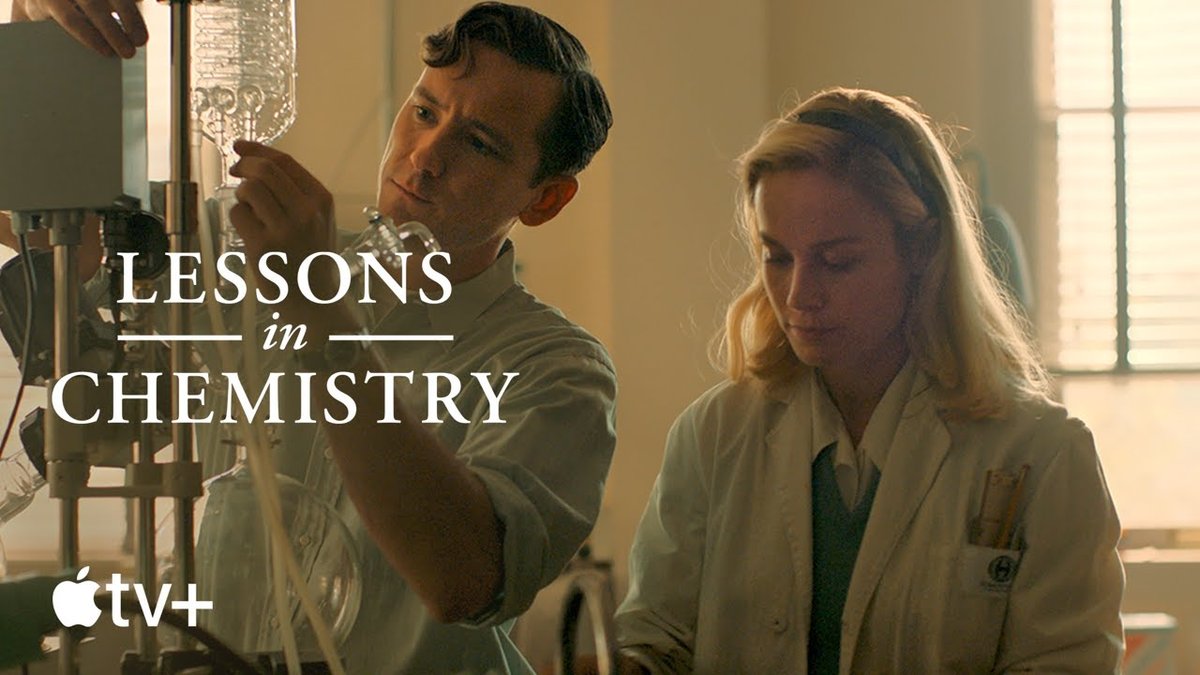
The script is locked, the cameras are rolling, and every crew member is in position. Yet, sometimes, the magic just isn't there. We're talking about that elusive, undeniable spark between performers that defines memorable screen moments: On-Set Chemistry & Notable Cast Interactions. It’s the secret sauce that transforms dialogue into genuine conversation and choreographed movements into heartfelt connection, making stories truly resonate.
Without it, even the most brilliant scripts can fall flat, leaving audiences disengaged and the narrative hollow. But when actors click—whether as lovers, rivals, friends, or family—they elevate the entire production, pulling us into their world with a believability that transcends the screen. It's more than just good acting; it's an alchemy of personalities, trust, and shared understanding that makes us believe every word, every glance, every tear.
At a Glance: Crafting Believable Screen Connections
- Chemistry is more than "liking": It's a deep, responsive connection that brings characters to life.
- Casting is key: Auditions, chemistry reads, and improv are vital for finding the right pairings.
- Directors foster it: Creating a safe, collaborative environment helps actors connect authentically.
- It's universal: Essential for romances, but equally critical for buddy comedies, family dramas, and even compelling antagonists.
- Audience impact: Great chemistry builds believability, deepens emotional investment, and makes stories unforgettable.
- It can be cultivated: Through rehearsal, trust-building, and a focus on active listening and reaction.
The Undeniable Spark: Why On-Screen Chemistry Isn't Optional
In the sprawling world of film and television, where countless hours and millions are spent on breathtaking visuals and intricate plots, it's often the simplest human element that seals a project's fate: the authentic connection between its stars. On-screen chemistry isn't a luxury; it's a foundational pillar for successful storytelling, especially when building character relationships.
Imagine two characters declaring their undying love, but their eyes tell a different story – a lack of connection, an awkwardness that no amount of skillful editing can truly mask. The audience, instinctively attuned to human interaction, senses this disconnect. The spell breaks. The narrative credibility crumbles. This intangible bond is what allows actors to create authentic and compelling on-screen relationships, breathing life into roles that might otherwise remain two-dimensional.
From the passionate embraces of romantic leads to the unspoken understanding between lifelong friends, or the simmering tension between complex rivals, chemistry enhances relationship believability. It deepens our understanding of characters, making their journeys, triumphs, and heartbreaks feel profoundly real. When you watch two actors who truly "get" each other, a kind of magic happens; you stop seeing the performers and start seeing the people they embody.
Decoding Chemistry: What We Talk About When We Talk About "It"
So, what exactly is this elusive chemistry? It's not simply about two actors being friends off-set, although that can certainly help. It's a professional symbiosis, an unspoken language that allows performers to anticipate, react, and resonate with each other on camera. At its core, chemistry is about responsiveness and trust.
Think of it as a finely tuned dance. One actor moves, and the other responds, often without conscious thought, creating a seamless flow of interaction. This involves active listening, genuine eye contact, mirroring body language, and a shared understanding of the scene's emotional landscape. It's the ability to make another actor feel safe enough to be vulnerable, to take risks, and to truly inhabit the moment. This dynamic connection allows the nuances of human interaction – the fleeting glances, the subtle shifts in posture, the unspoken tensions – to emerge naturally. It brings characters to life in a way that goes beyond memorized lines, creating moments that feel utterly spontaneous and real.
The Casting Crucible: Forging the First Links of Connection
The journey to electrifying on-screen chemistry often begins long before the first frame is shot: in the casting room. Casting directors play a crucial role, tasked not just with finding talented actors, but with identifying those who possess the potential for that all-important spark. It’s a delicate art, blending sharp observation with gut instinct.
Beyond the Headshot: Strategies for Spotting the Spark
Casting directors employ several clever strategies to uncover genuine connection:
- Chemistry Reads: This is perhaps the most direct approach. Actors who are being considered for roles that require a strong relationship are brought in to read scenes together. This isn't just about individual performance; it's about observing their interactions, their back-and-forth, and the overall energy they generate. Do they make eye contact? Do they listen to each other? Is there a natural rhythm to their dialogue? These reads are crucial for assessing how two personalities might gel on screen.
- Improvisation Exercises: To truly see how actors adapt to each other’s choices and collaborate spontaneously, improv is a powerful tool. Without a script to lean on, actors must rely on their instincts, their scene partner, and their shared understanding of the situation. Natural chemistry often flourishes in these unscripted moments, revealing who can truly play off whom.
- Strategic Scene Selection: Audition scenes are carefully chosen to highlight specific relationship dynamics. Whether it's a tense confrontation, a tender confession, or a lighthearted banter, the scenes are designed to demand interaction, allowing the casting team to observe how actors handle the emotional give-and-take inherent in the roles.
- Acute Observation Skills: Beyond what’s said, casting directors are trained to notice the subtle cues. Nonverbal communication, body language, eye contact, and the overall energetic exchange between actors provide invaluable insights. Do they lean into each other? Do their eyes linger? Is there a sense of ease or tension that aligns with the characters' relationship?
- Director’s Input: Collaboration with commercial and film directors is paramount. The director's vision for the relationships is vital, and their input helps steer the casting process towards actors who not only have individual talent but also the potential to embody the desired relational dynamics. Their perspective on actor chemistry is often the final, critical piece of the puzzle.
- Trusting Instincts: While data and observation are key, a strong sense of connection or authenticity between performers often boils down to intuition. Sometimes, you just feel it. That gut feeling, that sense of an undeniable spark, is frequently the most reliable indicator of remarkable on-screen chemistry. Trusting these instincts can make all the difference in assembling a cast that truly sings together. Identifying actors who possess this crucial chemistry is a primary goal, ensuring that the storytelling is elevated and the on-screen relationships are believable. Advanced filmmaking techniques might capture stunning visuals, but it's the human connection that anchors the audience.
Cultivating Connection: On-Set Strategies for Actors and Directors
Even with perfect casting, chemistry isn't always a given. It needs nurturing, a safe space to grow, and a collaborative environment to thrive. This is where directors and actors themselves become crucial in fostering those vital interactions.
Building Bridges: Beyond the Call Sheet
- Shared Rehearsals and Workshops: More than just running lines, dedicated rehearsal periods allow actors to explore their characters' backstories and relationships together. Workshops focused on trust-building, improv, or character study can help dismantle personal barriers and build a shared understanding. This collective exploration helps to establish a foundation for genuine interaction.
- Creating a Collaborative Sanctuary: Directors play a vital role in setting the tone on set. A respectful, open, and non-judgmental environment encourages actors to take risks, be vulnerable, and connect authentically. When actors feel safe, they are more likely to drop their guard and engage fully with their scene partners. This supportive atmosphere is essential for any nuances of directing for performance.
- Encouraging Off-Set Bonding (When Appropriate): While not always necessary, providing opportunities for actors to socialize off-set can sometimes deepen their rapport. Shared meals, group outings, or simply encouraging conversations between takes can foster genuine friendships or mutual respect that translates to the screen. For example, the ensemble of The cast of Apple Dumpling Gang likely benefited from such camaraderie, creating their memorable family-friendly dynamic.
- The Director as a Facilitator: A skilled director acts as a guide, providing specific feedback that enhances interaction. They might suggest subtle shifts in delivery, encourage deeper eye contact, or prompt actors to physically adjust their proximity, all to amplify the emotional exchange. They help actors find the right balance between individual performance and collaborative synergy.
- Embracing Vulnerability: Both actors and directors must be willing to embrace vulnerability. For actors, this means being open to their scene partner's performance and allowing it to genuinely affect them. For directors, it means trusting their actors and giving them the space to discover the relationship organically, stepping in only to refine, not to dictate.
The Many Faces of Chemistry: Beyond Romance
While the sizzling romance often grabs headlines, chemistry is by no means limited to love stories. It's the lifeblood of nearly every genre, manifesting in countless forms that elevate character relationships across the board.
- Buddy Comedies & Bromances: Think of the classic pairings – the straight man and the zany foil, the bickering partners who secretly adore each other. Their chemistry is a delicate balance of comedic timing, mutual exasperation, and underlying affection. Without that spark, the jokes fall flat, and their journey feels hollow.
- Ensemble Dramas: In complex narratives like those found in political thrillers or family sagas, chemistry defines intricate webs of relationships. Every interaction, from a mother-daughter bond to a mentor-protégé dynamic, relies on believable connection to drive the narrative and make the audience invest in multiple story arcs. The interplay between many different characters requires a deep understanding and responsiveness from the entire cast.
- Antagonists: Even conflict requires chemistry. The tension between a hero and a compelling villain, or two bitter rivals, is often born from a potent form of negative chemistry. It's an intense understanding of each other's motivations, a deep-seated friction that makes their clashes feel significant and emotionally charged. A great antagonist doesn’t just oppose; they challenge and reflect the protagonist, creating a fascinating dance of opposition.
- Parent-Child Dynamics: Whether portraying warmth and unconditional love or fraught, complicated conflict, the chemistry between actors playing family members must feel lived-in. Audiences need to believe in their shared history, their unspoken agreements, and their unique ways of communicating. This often involves actors drawing on universal truths about family bonds to create a relatable connection.
When Chemistry Goes Wrong: Pitfalls and How to Avoid Them
Even the most talented actors can, on occasion, fail to connect on screen. The absence of chemistry can be a project's Achilles' heel, undermining performances and alienating audiences.
- The Flatline Effect: When there's no spark, performances can feel stiff, forced, and ultimately, unconvincing. Dialogue sounds like lines being read, rather than authentic conversation. The characters exist in parallel, rather than truly interacting, leaving the audience feeling detached.
- Forced or Artificial Connection: Sometimes, filmmakers try to impose chemistry where none naturally exists, relying on heavy-handed romantic tropes or exaggerated emotional displays. Audiences are savvy; they can quickly discern genuine connection from a manufactured one, leading to eye-rolls and a loss of immersion.
- Off-Screen Drama Bleeds On-Screen: While professional actors are trained to compartmentalize, intense personal friction or conflict between cast members can sometimes seep into their performances, creating an awkwardness or tension that detracts from the intended on-screen dynamic. A director's role is to mediate these situations and ensure that professional relationships remain intact for the sake of the project.
- Typecasting Traps: An actor might be brilliantly talented, but if repeatedly cast opposite partners with whom they consistently lack a spark, it can limit their perceived range and the impact of their performances. Finding fresh, dynamic pairings is essential to continually surprise and engage audiences. Avoiding these pitfalls is as important as cultivating positive interactions for diverse actor training methods.
Notable Cast Interactions: Case Studies in On-Screen Magic
History is replete with legendary pairings whose on-screen chemistry transcended mere performance, becoming iconic touchstones in cinema.
- Katharine Hepburn & Spencer Tracy: Across nine films, their witty banter, profound respect, and undeniable spark made them one of Hollywood's most beloved duos. Their off-screen relationship fueled their on-screen dynamic, creating a sense of history and depth that was palpable in every scene. They embodied a smart, sophisticated love that felt both timeless and utterly modern.
- Humphrey Bogart & Lauren Bacall: Their first film together, To Have and Have Not, ignited a legendary romance both on and off screen. Bacall's sultry gaze and Bogart's weary charm created an electric, adult chemistry that redefined screen romance. Their real-life passion infused their performances with a raw, undeniable energy that few have replicated.
- Tom Hanks & Meg Ryan: The quintessential romantic comedy couple of the late 20th century. In films like Sleepless in Seattle and You've Got Mail, their chemistry was built on warmth, relatability, and a charming awkwardness that made their slow-burn romances incredibly endearing. They embodied the dream of finding your soulmate through wit and genuine connection.
- Ian McKellen & Patrick Stewart: As Professor X and Magneto in the X-Men franchise, their long-standing friendship and professional respect off-screen translated into a rich, complex, and deeply affecting rivalry on screen. Their chemistry wasn't romantic, but intellectual and ideological, giving their characters' philosophical debates and intense emotional exchanges a powerful weight. Their deep connection brought profound nuance to strategies for deep character development.
- Viggo Mortensen & Mahershala Ali: In Green Book, their unexpected pairing as driver and passenger, navigating the racial tensions of the 1960s American South, built a powerful, evolving chemistry. Their initial friction slowly gave way to mutual respect and genuine affection, a journey made entirely believable by their nuanced and responsive performances. It’s a testament to how chemistry can evolve over a narrative arc, making the audience believe in the transformation of their bond.
These pairings, among many others, demonstrate that chemistry isn't about formula; it's about the unique interplay of personalities and performance that creates something larger than the sum of its parts.
Beyond the Script: The Unwritten Language of Interaction
Much of what makes on-screen chemistry so compelling resides in the unspoken. It’s the subtle, human details that convey emotion and meaning without a single line of dialogue.
- Non-Verbal Cues: A shared look, a hesitant touch, a comfortable silence – these are the building blocks of authentic human connection. Actors with good chemistry effortlessly communicate through these cues, conveying layers of history, longing, or understanding that aren't explicitly written in the script.
- Active Listening and Authentic Reaction: True chemistry is about being fully present. It’s an actor not just waiting for their cue to speak, but genuinely listening to their scene partner, processing their words and emotions, and allowing that to inform their own reaction. This creates a spontaneous, living interaction that feels un-rehearsed and real.
- Energy Exchange: There's an undeniable energy that passes between actors with strong chemistry. It can be a vibrant, playful energy in a comedy, or a weighty, magnetic pull in a drama. This energetic flow makes scenes dynamic and captivating, drawing the audience into the emotional space shared by the characters.
- The Power of Proximity: How actors naturally position themselves relative to each other, their comfort with physical closeness or distance, often speaks volumes about their relationship. These subtle physical dynamics can convey intimacy, power imbalances, or mutual respect without any verbal explanation.
Common Questions About On-Set Chemistry
Can chemistry be faked?
While genuine chemistry is ideal, skilled actors can simulate it remarkably well through technique, intense focus, and a deep understanding of their character's relationship dynamics. However, truly outstanding chemistry often stems from a genuine connection or profound professional respect that elevates the performance beyond mere simulation. The audience can usually tell the difference between a manufactured connection and a truly authentic spark.
Is on-screen chemistry always about friendship or romance off-screen?
Not at all. Some of the most compelling on-screen pairings have involved actors who had minimal off-screen interaction or even personal differences. What matters is the ability to connect as characters and create a believable relationship within the scene. Professionalism, trust, and a shared commitment to the story often override personal preferences.
What if actors genuinely dislike each other?
While challenging, seasoned professionals can still deliver incredible performances. Actors are trained to put aside personal feelings for the sake of the character and the story. Sometimes, actual off-screen tension can even be channeled to create palpable on-screen friction, provided it remains controlled and professional. The key is mutual respect for the craft and the project.
Does chemistry improve with time?
Often, yes. As actors work together more, they develop a deeper understanding of each other's working styles, rhythms, and improvisational instincts. This familiarity and trust can deepen their on-screen connection, making subsequent collaborations even more nuanced and impactful. Think of long-running TV series where the cast evolves into a tightly knit ensemble. This makes for a more believable performance and increases the psychology of audience engagement.
The Enduring Impact: Why Believable Connections Resonate Deeply
The pursuit of on-set chemistry is not merely an artistic whim; it’s an acknowledgement of our fundamental human desire for connection. When we see believable relationships unfold on screen, we relate, we empathize, and we invest. We cheer for their triumphs, mourn their losses, and feel the pangs of their heartbreak as if they were our own.
Iconic pairings and memorable ensemble dynamics become benchmarks in cinematic history because they tap into universal truths about love, friendship, rivalry, and family. They create emotional touchstones that endure long after the credits roll, shaping our cultural landscape and reminding us of the profound power of human interaction. This legacy is a testament to the fact that while technology and spectacle can dazzle, it is the authentic, human connection that truly moves us.
Crafting Your Own Spark: A Call to Action for Aspiring Storytellers
For aspiring actors, directors, writers, and casting professionals, understanding and valuing on-set chemistry is paramount. It’s not a mystical force, but a learnable, cultivable skill and a keen observational talent.
- For Actors: Prioritize active listening, responsiveness, and generosity in your scene work. Build trust with your scene partners. Be present, open, and willing to be affected. Practice improvisation to sharpen your spontaneous connection.
- For Directors: Create a safe, collaborative environment where actors feel empowered to connect. Facilitate rehearsals that focus on relationship building, not just line delivery. Observe closely and offer specific guidance that enhances interaction.
- For Casting Professionals: Go beyond individual talent. Implement comprehensive chemistry reads and improv sessions. Trust your intuition when you see that undeniable spark.
In an increasingly automated world, the human touch – the genuine connection between people – remains our most irreplaceable asset. On-set chemistry is the pinnacle of this human artistry, a powerful reminder that the most compelling stories are often those told through the genuine, electric bonds between us. It's the ultimate human influence that AI, for all its advancements, cannot replicate, making it an essential focus for anyone dedicated to the art of storytelling. Let the sparks fly. The power of human connection.