You know that feeling when a minor character—someone who’s barely in the film—utterly steals your attention? Or when a familiar face pops up for a split second, eliciting a delighted gasp from the audience? That's the magic of Supporting Cast & Cameo Appearances, and why they often become the unexpected highlights of any production. These aren't just background players; they're the secret sauce, the unexpected punch, the subtle threads that weave a richer, more vibrant tapestry around the main narrative.
At a Glance: The Power of the Periphery
- Supporting roles are the narrative bedrock, fleshing out worlds and driving plots without being the main focus.
- Cameo appearances are brief, often uncredited appearances by recognizable figures, designed for surprise and delight.
- Both types of performances, when executed perfectly, can elevate a story, add unexpected depth, and sometimes even overshadow the main stars.
- Mastering a supporting role or a cameo demands precise acting, character understanding, and a unique ability to make an indelible mark with limited screen time.
- The thoughtful casting and crafting of these roles are critical to a project's overall success and audience engagement.
More Than Just Background Noise: Why Supporting Cast Matters
Every epic saga, heartfelt drama, or laugh-out-loud comedy relies on more than just its leading lights. Think about it: a hero isn’t truly heroic without obstacles, allies, or foils. A complex protagonist needs a world populated by equally believable individuals who react to them, challenge them, and depend on them. This is where the supporting cast steps in, transforming a solitary journey into a rich, lived-in experience.
These actors aren't there to simply fill space. They serve vital narrative functions:
- Anchoring the Protagonist: They provide context for the lead character's motivations, history, and current struggles. A protagonist's best friend, mentor, or rival often reveals layers of their personality that would otherwise remain hidden.
- Driving the Plot Forward: Supporting characters frequently deliver crucial exposition, introduce new conflicts, or provide the catalyst for major plot shifts. Without them, the story might stall or feel less organic.
- Adding Emotional Depth: They offer diverse perspectives and emotional reactions, broadening the story's appeal. Their joys, sorrows, and sacrifices resonate with the audience, deepening the emotional investment in the overall narrative.
- World-Building and Authenticity: A rich supporting cast helps create a believable world. Whether it's the quirky townsfolk in a small-town drama or the diverse crew of a spaceship, these characters make the setting feel real and lived-in.
- Providing Comic Relief or Dramatic Gravitas: Often, supporting roles are specifically designed to inject humor into tense situations or provide a grounding dramatic presence when things get too light.
Consider iconic duos like Han Solo and Chewbacca, or Samwise Gamgee and Frodo Baggins. Chewbacca isn't just a sidekick; he's Han's moral compass and unwavering loyalist. Samwise isn't merely a porter; he's the emotional core of The Lord of the Rings, whose steadfast loyalty provides the bedrock for Frodo's quest. Without them, the lead characters' journeys would be profoundly different, and arguably, far less impactful. Their contributions are so integral that they often blur the lines between "supporting" and "co-lead."
The Unsung Heroes: The Art of Character Acting
Many of the most celebrated supporting actors are known as "character actors"—performers who specialize in playing distinctive, often eccentric, or very specific roles rather than leading man/woman types. They master the art of transformation, inhabiting a vast array of personalities across their careers.
What makes a character actor truly shine?
- Versatility: The ability to disappear into vastly different roles, often making them unrecognizable from one project to the next.
- Precision: Every line, every gesture, every facial expression is carefully calibrated to serve the character and the scene. There's no wasted motion.
- Commitment to Detail: They build a rich inner life for their characters, no matter how small the part. This attention to detail makes even brief appearances memorable.
- The Power of Nuance: Character actors excel at conveying complex emotions or backstories with subtlety, adding layers without explicit exposition. They often understand that a character’s true essence can be found not just in dialogue, but in their silence, their reactions, or a fleeting glance.
Think of actors like J.K. Simmons, Steve Buscemi, or Margo Martindale. Each brings a unique presence and a profound ability to elevate any material, regardless of their screen time. They can be terrifying, hilarious, heartbreaking, or deeply unsettling, often within the span of a single scene. It’s this profound impact from seemingly secondary roles that helps a film or show truly resonate, often leading to deep dives into the power of ensemble casts where such talent truly comes alive.
The Delightful Detour: Unpacking the Cameo Appearance
While supporting characters are the structural beams of a narrative, cameos are more like the unexpected, glittering ornaments. A cameo appearance is a brief, uncredited or minimally credited appearance by a recognizable person, often an actor, director, musician, or celebrity, within a film, television show, play, or even a video game. The key here isn't the character's narrative importance, but the recognition of the performer and the delightful surprise it brings.
Cameos serve several distinct purposes:
- Surprise and Delight: The primary goal is often to create an "aha!" moment for the audience. Seeing a beloved star pop up unexpectedly for a few seconds can be genuinely thrilling.
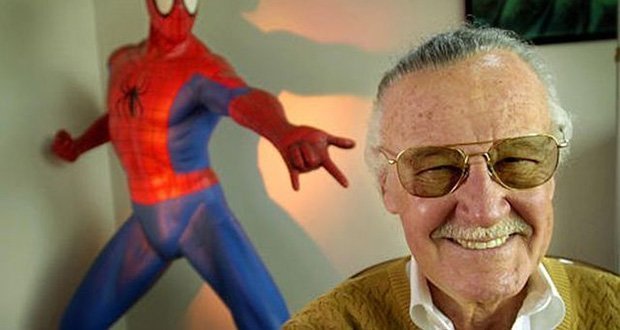
- Meta-Commentary and Inside Jokes: Directors like Alfred Hitchcock were famous for their blink-and-you'll-miss-it appearances in their own films, a playful signature. Marvel films famously continued this tradition with Stan Lee, whose brief, often humorous appearances became a beloved fixture, winking at the audience as the creator of the universe they were watching.
- Boosting Credibility or Humor: A brief appearance by a real-life expert or a respected figure can lend gravitas to a scene. Conversely, a celebrity playing an absurd version of themselves can provide instant comedic gold.
- Paying Homage or Making Connections: A cameo can be a nod to a previous work, a tribute to an influential figure, or a way to subtly link different fictional universes. For instance, a director appearing in a protégé's film is a common form of industry appreciation.
- Marketing and Buzz: Sometimes, a high-profile cameo is strategically leaked (or simply creates) buzz around a production, drawing in audiences curious to see who appears.
The magic of a cameo lies in its brevity and unexpectedness. It's a fleeting moment that creates a lasting impression. When done well, it enhances the viewing experience without distracting from the main story. When done poorly, it can feel gratuitous or forced, pulling the audience out of the narrative instead of drawing them in.
Famous Cameo Examples That Stole the Show
- Stan Lee in the Marvel Cinematic Universe: Almost every MCU film featured a brief appearance by the legendary comic book creator, usually delivering a funny line or reaction. These moments became eagerly anticipated by fans, a charming tradition that reinforced the meta-narrative of his universe coming to life.
- Alfred Hitchcock in his own films: The master of suspense made fleeting appearances in over a dozen of his movies, often just walking past or appearing in a crowd. It was his signature, a playful game with the audience.
- Bill Murray as Zombieland's Bill Murray: Playing an exaggerated version of himself in a zombie apocalypse, Murray’s extended cameo in Zombieland was a highlight, delivering some of the film's most memorable lines and a genuinely surprising (and hilarious) plot twist.
- Carrie Fisher in Austin Powers: International Man of Mystery: A quick, uncredited appearance as a therapist, nodding to her iconic role as Princess Leia, was a clever and amusing touch that resonated with fans.
- Arnold Schwarzenegger in The Long Goodbye (1973): One of his very first uncredited film appearances as a muscle-bound thug, long before he became a global superstar. It’s a fun discovery for modern viewers.
These examples illustrate that while cameos might seem minor, their impact can be anything but. They're a powerful tool in a filmmaker's arsenal, capable of creating moments of pure cinematic joy.
Why They "Steal the Show": The Art of Impactful Subtlety
The headline isn't an exaggeration: supporting cast members and cameo appearances do often steal the show. But how do they manage this with limited screen time?
- Unexpected Brilliance: When a lead actor delivers a great performance, it's often anticipated. But when a supporting actor, previously unknown or in a minor role, delivers an electrifying scene, it creates a powerful and often surprising impact. This unexpectedness heightens the perception of their talent.
- Scene-Stealing Techniques:
- The Reaction Shot: A perfectly timed, nuanced reaction to a lead character's monologue can be more powerful than the monologue itself. It shows, rather than tells, the emotional stakes.
- Distinctive Mannerisms: A unique vocal cadence, a memorable walk, or a peculiar habit can make a character instantly recognizable and unforgettable, even if they only appear in a few scenes.
- Understated Authenticity: Sometimes, the most memorable performances are those that feel utterly real and grounded, providing a quiet counterpoint to more dramatic or fantastical elements. This requires an actor who understands mastering Method Acting or similar immersive techniques.
- Punchy Dialogue: Writers often give the most quotable, concise, or cutting lines to supporting characters. These lines often encapsulate a larger truth or deliver a crucial comedic beat.
- The Power of Contrast: A brilliant supporting performance can highlight the qualities of the lead by providing a stark contrast. A villain’s chilling demeanor makes the hero’s resolve stronger; a comedic sidekick makes the protagonist’s seriousness more profound.
- Leaving You Wanting More: Because these characters have limited screen time, there's an inherent mystique. The audience glimpses their potential, their personality, and their story, but never fully exhausts it. This creates a lingering curiosity and appreciation. You might find yourself wishing the film had a spin-off just for them.
This phenomenon is evident in classic films like One Flew Over the Cuckoo's Nest, where virtually every member of the supporting cast delivers an Oscar-worthy performance, making the asylum feel like a truly lived-in, poignant world around Jack Nicholson's R.P. McMurphy. Similarly, in The Apple Dumpling Gang, the effectiveness of the entire narrative heavily relies on The Apple Dumpling Gang cast members, whose supporting roles drive much of the film's charm and humor, often outshining the primary adults.
Crafting Unforgettable Supporting Roles: A Writer's and Actor's Perspective
For writers, creating a memorable supporting character involves more than just filling a slot. It requires a thoughtful approach to character development, even for minor roles.
- Give Them a Purpose: Every character, no matter how small, should have a clear reason for existing in the story. What is their function? What do they contribute?
- A Glimpse of an Inner Life: Even if not fully explored, hint at a backstory, a motivation, or a personality beyond their immediate function. This makes them feel like real people, not just plot devices.
- Distinct Voice and Mannerisms: Each character should speak and act uniquely. Avoid generic dialogue. A specific turn of phrase or an idiosyncratic habit can make a character leap off the page. This is part of crafting compelling characters across the board.
- Allow for Growth (or Stagnation): Even minor characters can have mini-arcs, reacting to events and changing (or refusing to change) in small but significant ways.
For actors tackling a supporting role, the challenge is to make a maximum impact with minimal resources. - Understand Your Function: Know precisely what your character contributes to the main story and the lead's journey.
- Don't Overplay: The goal is to support, not to overshadow. Subtlety is often more effective than grand gestures. Find the truth in the small moments.
- Listen and React: Much of a supporting actor's job is to react authentically to the lead. Your reactions can convey as much information as your lines.
- Find the Core: What is the single most important quality or motivation of your character? Focus on conveying that efficiently.
The Casting Director's Delicate Dance: Finding the Perfect Fit
Casting a lead role is obviously critical, but the casting of supporting roles and even cameos requires an equally discerning eye. A brilliant supporting actor can elevate a script, while a miscast one can drag down even the most promising scene.
Casting directors look for:
- Chemistry: How will this actor interact with the lead and other cast members? Do they create believable relationships?
- Authenticity: Does the actor embody the spirit of the character, bringing a naturalism that enhances the world?
- The "X Factor": Sometimes, an actor brings an unexpected spark or interpretation that adds a new dimension to a character, making them even more interesting than written.
- Experience vs. Fresh Faces: For supporting roles, seasoned character actors bring a wealth of experience, while newcomers can bring a refreshing energy and surprise.
- Strategic Cameos: For cameos, it's about matching the celebrity's persona with the tone of the scene and ensuring their appearance serves a clear purpose—be it humor, gravitas, or a clever nod. It's a balance of star power and story integrity.
The casting director's decisions deeply influence a director's overarching vision for storytelling. They are integral to assembling a team that makes the entire narrative feel cohesive and impactful, ensuring that even the smallest roles contribute to the grand design.
Pitfalls to Avoid: When Supporting Roles or Cameos Fall Flat
Not every supporting performance is a show-stealer, and not every cameo hits its mark. There are common traps that can diminish their impact:
- Miscasting: An actor simply isn't right for the role, creating a dissonance that pulls the audience out of the story. This can happen if a role is cast based solely on name recognition rather than suitability.
- Underwritten Characters: If a supporting character is a mere stereotype or a plot device with no depth, even a great actor will struggle to make them memorable.
- Overacting/Scene-Stealing for the Wrong Reasons: While "stealing the show" is positive, deliberately trying to upstage others in a way that serves the actor rather than the story is detrimental. It disrupts the ensemble balance.
- Gratuitous Cameos: A celebrity appearance for the sake of having a celebrity appearance, with no narrative purpose or cleverness, can feel self-indulgent and distracting. It risks breaking the fourth wall without adding value.
- Lack of Clear Direction: Without a clear understanding of their role within the larger picture, supporting actors might deliver performances that feel disconnected or inconsistent.
A well-crafted story is like a symphony. Every instrument, from the lead violin to the subtle percussion, must play its part in harmony. When a supporting role or cameo is off-key, it can disrupt the entire composition.
Beyond the Screen: Supporting Roles in Other Mediums
The concept of supporting cast and cameos isn't exclusive to film and television. It's fundamental to storytelling across various mediums:
- Theater: Stage productions rely heavily on ensemble acting, where the entire cast contributes to the atmosphere and narrative. A Greek chorus, for instance, functions as a crucial supporting element, providing commentary and advancing the plot. Cameos in theater might involve a recognizable local figure or a playwright appearing briefly.
- Literature: Novels are filled with supporting characters who provide exposition, moral support, or conflict for the protagonist. Think of Hermione and Ron for Harry Potter, or Dr. Watson for Sherlock Holmes. Authors use minor characters to enrich their fictional worlds and deepen character arcs.
- Video Games: NPCs (Non-Player Characters) can be excellent examples of supporting cast. They offer quests, provide lore, or simply populate the game world, making it feel more alive. Cameos might involve voice actors from other popular games or even real-world personalities.
- Music: A guest vocalist or an instrumentalist performing a brief, recognizable solo in a song can be seen as a musical cameo, adding a distinct flavor without becoming the main artist.
In every medium, these auxiliary roles serve to enhance the primary experience, proving that even a small part can carry significant weight.
Frequently Asked Questions About Supporting Roles and Cameos
Q: Is there a legal definition for a supporting actor vs. a lead actor?
A: While not a rigid legal definition, industry standards, particularly for awards (Oscars, Emmys), distinguish between lead and supporting roles based on screen time, narrative importance, and billing. Leads typically carry the majority of the story; supporting actors facilitate the lead's journey.
Q: Can a cameo appearance win an award?
A: Rarely. Cameos are generally too brief to be considered for acting awards. However, if a cameo is substantial enough to blur the line with a very minor supporting role, it could theoretically be submitted for consideration in the "Best Supporting Actor/Actress" category, though it's uncommon. Bill Murray's Zombieland performance, for example, garnered critical praise but wasn't typically positioned for awards.
Q: What's the difference between a supporting actor and an extra?
A: An extra (or background actor) is an uncredited, non-speaking role, used to populate a scene and provide atmosphere. A supporting actor has lines, a name, a discernible personality, and contributes actively to the plot or character development, even if in a minor way.
Q: Do supporting actors make as much money as lead actors?
A: Generally, no. Compensation is often tiered by the size and importance of the role, with lead actors commanding significantly higher salaries and potentially profit participation. However, established character actors can still earn very substantial incomes due to consistent work across many projects.
Q: Can a supporting actor become a lead actor?
A: Absolutely! Many lead actors start their careers in supporting roles, honing their craft and gaining recognition. It's a common career trajectory in Hollywood. Think of someone like Bradley Cooper, who had many memorable supporting roles before breaking out as a leading man.
The Lasting Legacy: Why We Remember the Small Parts
When you reflect on your favorite films or TV shows, it's often not just the main stars that stick with you. It's the quirky neighbor, the unexpectedly wise bartender, the villain's menacing henchman, or that perfectly placed celebrity pop-in. These are the details, the textures, the unexpected moments of brilliance that elevate a good story to a great one.
Supporting cast members and cameo appearances are a testament to the idea that every piece of a puzzle is vital. They underscore the collaborative nature of storytelling and the profound impact that precision, creativity, and a touch of the unexpected can have. They remind us that sometimes, the biggest stars aren't the ones with the most screen time, but the ones who make every second count, proving beyond a doubt that these roles often steal the show.